



The Kogi State Government has recorded a sharp decline in malaria prevalence, reducing the rate from 16 per cent in 2021 to 8.9 per cent in 2025, while reiterating its resolve to completely eradicate the disease.
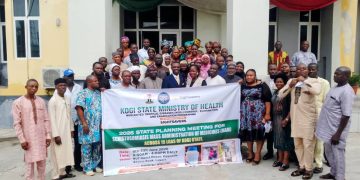
The State Commissioner for Health, Dr. Abdulazeez Adams Adeiza, made this known on Friday during activities to commemorate the 2026 World Malaria Day at the Ministry of Health.
Addressing stakeholders on the theme, “Driven to End Malaria: Now We Can, Now We Must,” Adeiza described malaria as a persistent public health challenge, particularly among children under five years and pregnant women.
He pointed out that although Nigeria contributes about 24 per cent of the global malaria burden and 30 per cent of malaria-related deaths, Kogi State has achieved notable progress through deliberate strategies and partnerships.
According to him, the improvement is largely due to the commitment of Governor Ahmed Usman Ododo, sustained funding, and collaboration with development partners.
He said the drop in prevalence demonstrates that the state’s interventions are delivering tangible results.
Adeiza outlined several initiatives responsible for the progress, including the Seasonal Malaria Chemoprevention programme, implemented in all 21 local government areas since 2021 with support from the Malaria Consortium, protecting thousands of children.
He further disclosed plans to distribute over 3.6 million insecticide-treated nets to households across the state before the end of the year to reduce transmission.
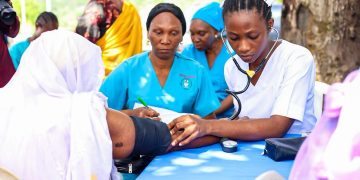
The Commissioner added that approval has been secured to boost immunisation efforts in three local government areas, while the ISDB LLF project, implemented by Famkris Healthcare Initiative, is providing free malaria testing and treatment in public health facilities.
He noted that the intervention has also enhanced healthcare delivery through training of health workers, improved data systems, and installation of incinerators at Specialist Hospital Lokoja and Kabba General Hospital for better medical waste management.
Adeiza stressed that ongoing capacity building and grassroots engagement through Ward Development Committees have been key to sustaining the achievements recorded.
He commended Governor Ododo for his leadership, financial support, and provision of logistics, which he described as critical to the success of malaria control efforts.
The Commissioner also lauded development partners, stakeholders, and health workers for their dedication and resilience.
Despite the gains, he cautioned that the battle against malaria is not yet over, calling for sustained commitment and stronger collaboration among all stakeholders.
He reaffirmed the government’s determination to ensure that no resident is left behind in the quest to achieve a malaria-free Kogi State.