

Stakeholders from Kogi East have called for the full enforcement of multiple Federal High Court judgments mandating the restoration of suppressed state constituencies in Kogi State, warning that any attempt to compromise the process could trigger fresh legal disputes and threaten the state’s peace.
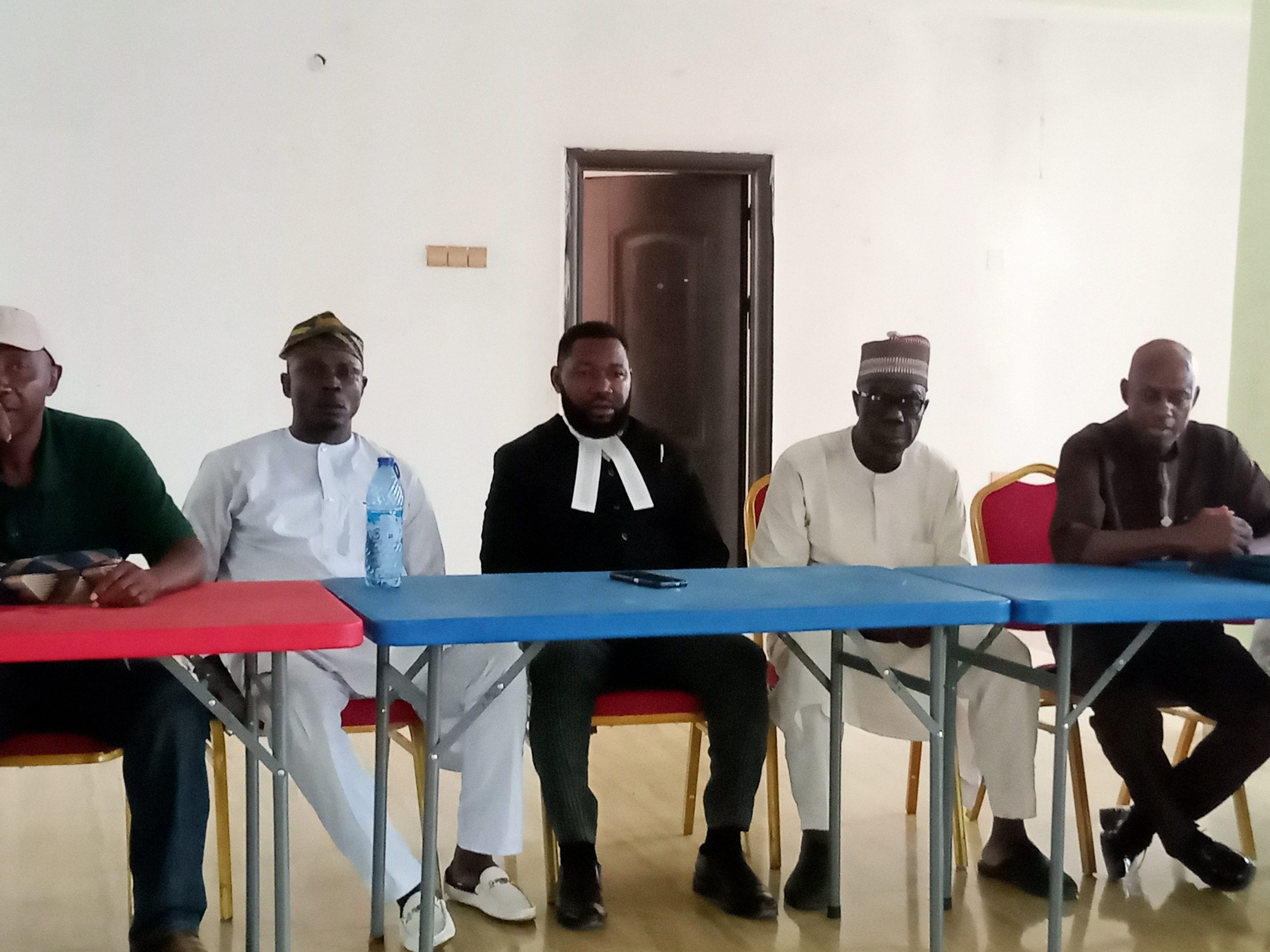
The demand was made during the Independent National Electoral Commission (INEC) stakeholders’ engagement with constituents on Tuesday, in Lokoja.
Speaking on behalf of the affected constituencies, Barr. Fred Achor Ademu commendedINEC for initiating steps to implement the court rulings but stressed the need for total compliance without alteration.
He said the engagement provided an opportunity to reinforce the importance of restoring the constituencies, noting that such action would enhance grassroots governance and bring government closer to the people.
Amodu referenced three separate Federal High Court judgments delivered in 2014, 2016, and 2026, which directed the restoration of constituencies in Kogi East.
He cited cases including Suit No. FHC/FKJ/CS/19/2014 and FHC/FKJ/CS/23/2016, explaining that the first judgment ordered the restoration of the suppressed Ogugu State Constituency, while the second followed a suit by the Kogi State Government after discovering that several constituencies in the zone had been suppressed.
According to him, despite the favorable rulings, implementation had been delayed for over a decade, emphasizing that valid court judgments remain binding unless overturned by a higher court.
He maintained that INEC is constitutionally obligated under Section 287 to fully enforce the judgments, insisting that no authority has the power to selectively implement portions of court decisions.
“The position of Kogi East is clear—there has been a valid judgment for over ten years. No amount of opinion can override the law unless set aside by a superior court,” he said.
Amodu further urged INEC to harmonize all existing rulings and ensure their complete implementation, while acknowledging the commission’s efforts to address what he described as a longstanding injustice against the people of Kogi East.
Addressing concerns raised by some stakeholders about the number of state constituencies under a federal constituency, he argued that the Constitution does not impose a fixed limit.
He cited examples from states such as Nasarawa, Lagos, Oyo, and Bayelsa, where federal constituencies have more than four state constituencies.
“Once a court has ruled that a constituency was suppressed, INEC is duty-bound to restore it, regardless of other considerations. Anything short of this could lead to further litigation that may not serve the state’s interest,” he warned.
He concluded by assuring INEC of the full cooperation of Kogi East stakeholders in ensuring a smooth delineation process.