

Stakeholders in Kogi State have called for the adoption of a self-regulatory framework for Civil Society Organisations (CSOs) as a means of strengthening transparency, accountability and good governance within the non-profit sector.
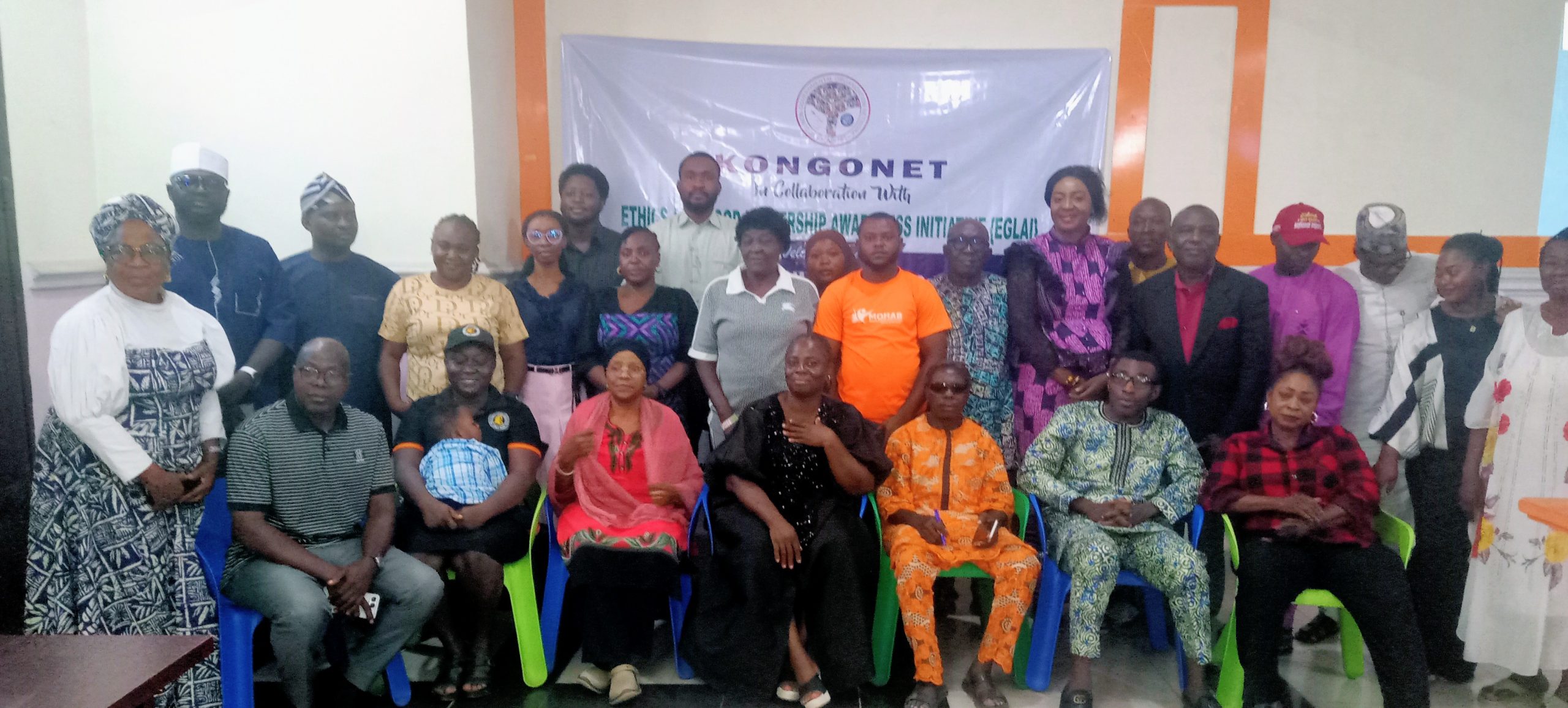
The call was made during a one-day capacity-building programme organised by the Kogi NGO Network (KONGONET) in collaboration with the Ethics and Good Leadership Awareness Initiative (EGLAI).
The training, titled “Step-Down Training on Scaling Adaptation of Self-Regulatory Framework for CSOs in Kogi State,” brought together representatives of various civil society organisations across the state. Participants described the initiative as timely and necessary for improving operational standards and institutional credibility among CSOs.
In his welcome address, KONGONET Chairman, Hamza Aliyu, urged participants to actively engage in the training sessions, noting that opportunities for structured capacity building on self-regulation remain limited within the civil society space.
Aliyu stressed that strengthening internal accountability systems offers a more sustainable approach to governance than depending solely on externally imposed regulations.
Speaking on the objectives of the programme, Barrister Lilian Okolo said the training was designed to equip participants with practical knowledge and tools needed to improve the operations of civil society organisations across Kogi State.
According to her, the programme seeks to enhance the capacity of CSOs to adopt self-regulatory principles that promote transparency, accountability and effectiveness in service delivery.
She explained that participants were exposed to the broader civil society landscape in Nigeria, including the legal status, roles and operational realities of non-governmental organisations.
Okolo further noted that the training introduced participants to the Nigerian CSO Minimum Standards of Operation, key principles of self-regulation and the Hybrid Self-Regulation Model developed for non-profit organisations in the country.
She encouraged participants to develop practical action plans that would support the implementation and expansion of the framework within their respective organisations.
According to her, self-regulation should not be viewed as an administrative burden but as a demonstration of institutional integrity and commitment to good governance.
Okolo expressed confidence that wider adoption of the framework would enhance the credibility, sustainability and impact of civil society organisations operating in Kogi State.
More than 20 civil society organisations participated in the training programme.