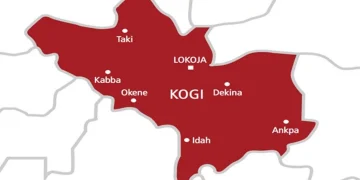


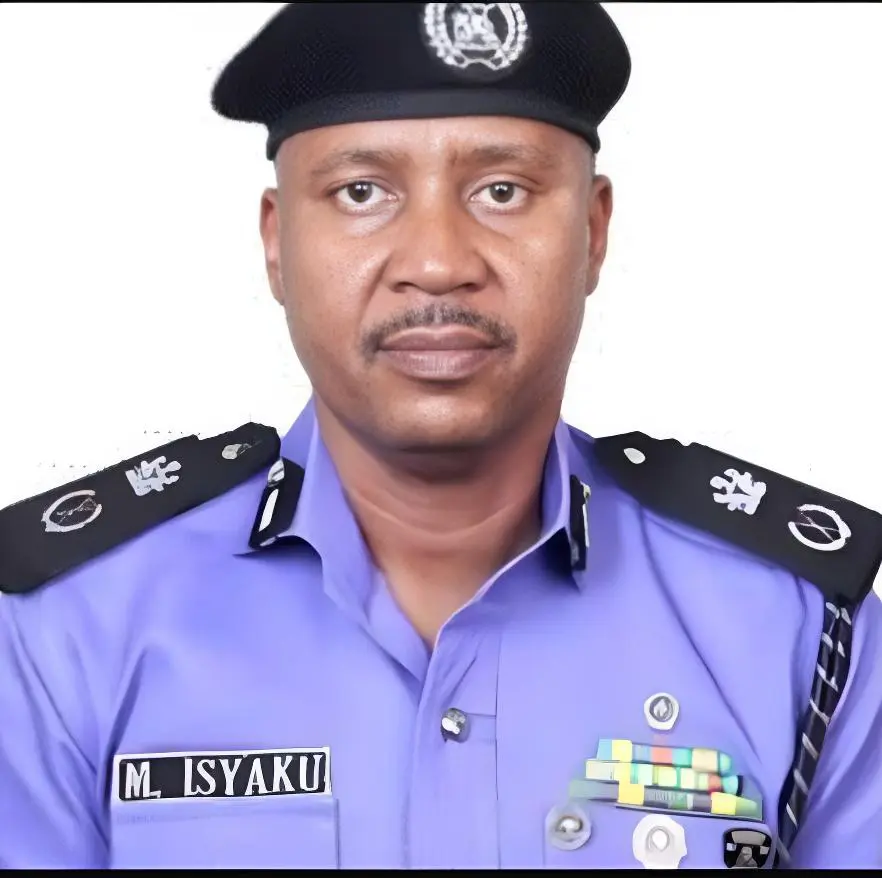


The Deputy Inspector-General of Police (DIG), North-Central Geo-Political Zone, Isyaku Mohammed, has called on residents, traditional rulers, religious leaders, youth groups and other stakeholders to take greater responsibility in supporting security agencies to combat crime and safeguard communities.
Speaking at a stakeholders’ consultative meeting held in Kogi State on Sunday on behalf of the Inspector-General of Police, IGP Rilwan Olatunji Disu, the DIG emphasized that effective policing can only be achieved through strong collaboration between the police and the public.
He said his visit was aimed at assessing the security situation in the state, understanding the peculiar challenges confronting residents, evaluating the operational readiness of the command, and engaging stakeholders on strategies for addressing emerging security threats.
The DIG also commended police officers and personnel for their dedication and sacrifices in maintaining peace and order despite difficult working conditions.
He acknowledged the support of traditional institutions, religious bodies, community leaders and other stakeholders, describing their contributions as critical to the ongoing fight against crime and criminality.
According to him, security remains a collective responsibility and cannot be left solely in the hands of law enforcement agencies.
“This state belongs to all of us. We cannot and will not surrender it to criminals, kidnappers, armed robbers, cultists, drug traffickers, terrorists or any other elements threatening our peace and security,” he said.
He urged traditional rulers to remain vigilant, religious leaders to continue preaching peace and moral values, and parents to pay closer attention to their children, while encouraging youth groups and community leaders to actively participate in crime prevention efforts.
The DIG stressed the importance of timely intelligence sharing, describing information as one of the most effective weapons against crime. He encouraged residents to make use of police emergency lines and other communication channels to report suspicious activities, illegal firearms, drug trafficking, kidnapping threats and other criminal acts.
“There is no useless information. A seemingly insignificant piece of information can prevent a kidnapping, stop an armed robbery, disrupt a terrorist attack or save lives,” he noted.
Mohammed further warned communities against harbouring criminals, stating that criminal elements often thrive because they receive support from within the communities where they operate.
He appealed to residents not to provide shelter, logistics, financial assistance or protection to criminals, regardless of family or social ties.
“Anyone who protects criminals becomes an enabler of criminality. Communities must collectively reject criminals and deny them safe havens,” he said.
Addressing young people, the DIG cautioned against involvement in cultism, kidnapping, cybercrime, drug trafficking, violent extremism and other criminal activities, warning that the consequences of crime often outweigh any temporary gains.
He also called on parents, schools, religious institutions and community leaders to play active roles in mentoring youths and instilling positive values.
On police reforms, the DIG said the current Police Management Team remains committed to rebuilding public trust through professionalism, accountability, integrity and improved service delivery.
He disclosed that the Nigeria Police Force is embracing intelligence-led policing, community policing, technology-driven operations and stronger partnerships with communities as part of ongoing reforms aimed at improving security outcomes.
While condemning acts of misconduct by police personnel, he assured residents that the force would continue to take disciplinary action against erring officers in line with established procedures.
The DIG encouraged members of the public to report legitimate complaints against officers and also recognize personnel who demonstrate exceptional dedication and professionalism.
He expressed confidence that with sustained cooperation between the police and the public, criminality could be effectively tackled and communities made safer.
“The challenges before us are significant, but they are not insurmountable. Together, we can defeat criminality, secure our communities and build a safer and more prosperous society,” he said.
He therefore urged all stakeholders to renew their commitment to peace, security and partnership with the Nigeria Police Force in the collective effort to maintain law and order across the state.