

The Kogi State Government, in collaboration with Sightsavers, has concluded plans to administer deworming and river blindness medicines to about 550,000 children across 10 local government areas as part of the 2026 Mass Administration of Medicines (MAM) campaign.
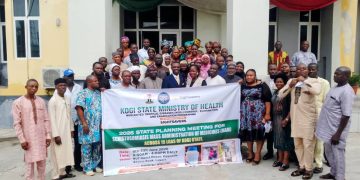
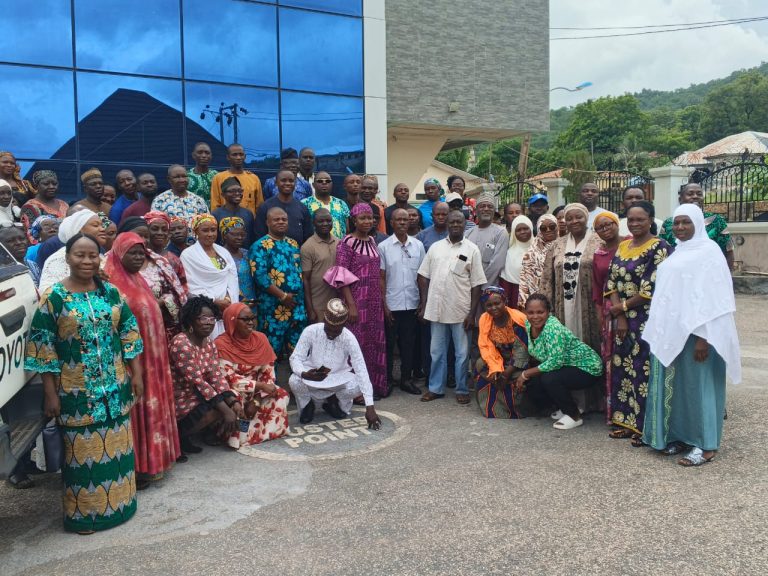
The preparations followed a two-day planning meeting held in Lokoja on July 9 and 10, bringing together Directors of Primary Health Care, Local Government Neglected Tropical Diseases (NTDs) Coordinators and their assistants from across the state.
Speaking during the meeting, Mr. Adewale Ayodeji of the Federal Ministry of Health said the Federal Government remains committed to supporting states in eliminating neglected tropical diseases through preventive chemotherapy, disease surveillance, case management and morbidity management.
He explained that the Federal Ministry of Health is strengthening state health systems through technical support, capacity building, supportive supervision and improved monitoring to ensure efficient use of resources and better health outcomes.
According to him, the interventions are aimed at reducing the burden of neglected tropical diseases while contributing to the attainment of Universal Health Coverage and the Sustainable Development Goals.
Kogi State NTD Coordinator, Mr. Musa Momohjimoh, said the meeting was designed to prepare stakeholders for the next phase of preventive chemotherapy, during which approximately 550,000 children between the ages of five and 14 years will receive Albendazole tablets in the affected local government areas.
He listed the benefiting LGAs as Omala, Ankpa, Idah, Kogi, Lokoja, Mopa-Muro, Ijumu, Ajaokuta, Okehi and Ogori-Magongo.
Momohjimoh recalled that about 480,000 children in 15 local government areas were treated six weeks earlier, describing the upcoming exercise as another critical phase in the state’s disease control programme.
He disclosed that local government authorities would immediately commence the training of health workers and Community Drug Distributors (CDDs), expressing confidence that every eligible child in the targeted communities would receive treatment before the end of July.
The State NTD Data Manager, Mrs. Betsy Ibenu, said the planning session focused on developing strategies for achieving the 2026 targets, strengthening coordination among stakeholders and improving monitoring and evaluation.
She explained that Soil Transmitted Helminths (STH) are parasitic worms responsible for malnutrition and stunted growth in children, while Onchocerciasis, commonly known as river blindness, remains endemic across all 21 local government areas of Kogi State.
Ibenu noted that the World Health Organisation recommends mass administration of Albendazole and Mebendazole to at least 75 per cent of school-age children in endemic communities to effectively control the diseases.
Momohjimoh commended the Kogi State Government and Sightsavers for their continued support in tackling neglected tropical diseases and urged participants to effectively step down the training in their respective local government areas.
Participants at the meeting also reviewed challenges encountered during previous campaigns, including the absence of community registers, incorrect drug dosing, poor documentation, data integrity concerns, reluctance to take medication due to fear of side effects and inadequate digital reporting skills.
Representatives of the Christian Association of Nigeria (CAN) and the Jama’atu Nasril Islam (JNI) pledged their support for the campaign and assured stakeholders of sustained community mobilisation to ensure the success of the exercise across the state.