

By Yekini Jimoh
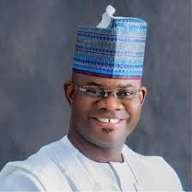
Former Kogi State Governor, Alhaji Yahaya Bello, has continued to assert himself as one of the most influential political figures in Kogi State, years after leaving office.
From party structures to electoral contests and grassroots mobilization, Bello’s political relevance remains deeply entrenched across the state, particularly within the ruling All Progressives Congress (APC).
His recent emergence as the APC candidate for the Kogi Central Senatorial District ahead of the 2027 elections has once again reinforced the perception that Bello remains the strongest political force in Kogi politics.
The former governor secured a landslide victory in the APC primary election, polling 72,399 votes to defeat his opponents by a wide margin.
Political observers say the outcome of the primary election reflects Bello’s enduring control of the APC structure in Kogi State and his ability to command loyalty across the five local government areas of Kogi Central.
His dominance was visible in the overwhelming support he received in Okene, Adavi, Okehi, Ajaokuta, and Ogori/Magongo local government areas during the exercise.
Bello’s influence has also been linked to the emergence of Governor Ahmed Usman Ododo, widely regarded as his political ally and successor.
Since the 2023 governorship election, many analysts have argued that Bello successfully maintained political relevance by ensuring continuity within the APC-led administration in the state.
Within the APC, Bello is widely seen as a mobilizer with a strong grassroots network. His political structure cuts across youth groups, women organizations, party stakeholders, and local government leaders.
Reports indicate that groups within Kogi Central even purchased senatorial nomination forms on his behalf, describing him as a leader who still commands massive support among the people.
Despite controversies surrounding his tenure and ongoing legal battles with the Economic and Financial Crimes Commission (EFCC), Bello has remained politically active and visible.
His clearance by the APC screening committee to participate in the senatorial primary ended speculation about whether his legal challenges would affect his political ambition.
Many supporters credit Bello with building a formidable political machinery during his eight years as governor. They argue that his administration expanded APC’s reach in Kogi State and strengthened the party’s hold across the three senatorial districts.
His critics, however, believe his dominance reflects the growing culture of political godfatherism in Nigerian politics. Yet, even critics acknowledge that Bello has mastered grassroots politics and internal party negotiations in ways few politicians in the state have achieved.
Political analysts note that Bello’s return to frontline electoral politics through the Senate race may further reshape Kogi’s political landscape ahead of 2027. With his strong support base and influence within the APC, many believe he remains central to major political decisions in the state.
For now, Yahaya Bello’s continued dominance underscores a simple political reality in Kogi State, despite leaving Lugard House, his grip on the political structure remains firm and difficult to ignore.