


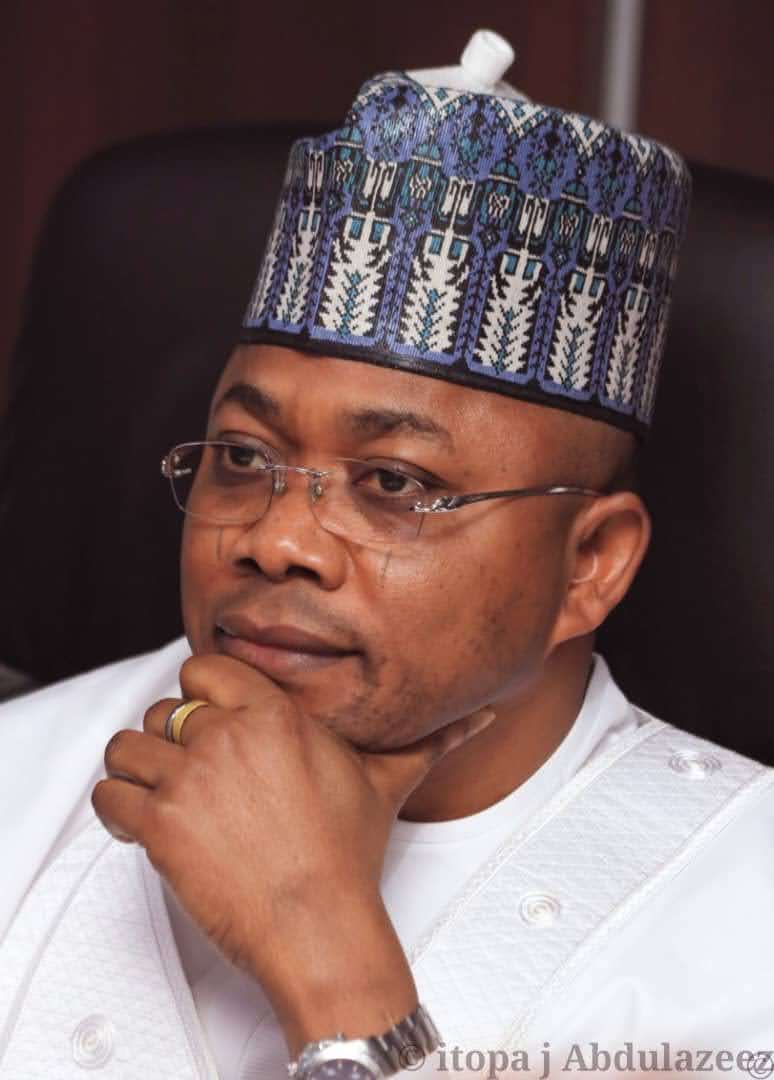

By Yekini Jimoh
In a political climate often dominated by rhetoric and short-lived promises, the administration of Ahmed Usman Ododo is steadily crafting a different narrative one defined not by noise, but by measurable impact across key sectors in Kogi State.
Since assuming office, Ododo has approached governance with a blend of continuity and innovation, building on existing structures while introducing reforms aimed at improving the daily lives of citizens.
The result is a governance style that is increasingly being described by observers as pragmatic, people-centered, and performance driven.
Infrastructure as a Foundation for Growth
One of the most visible indicators of Ododo’s performance lies in infrastructure development. Across the state, road rehabilitation and construction projects are not only reconnecting communities but also boosting economic activities. Rural dwellers, who previously faced challenges accessing markets and healthcare, are beginning to experience improved mobility and inclusion.
These efforts are not just about laying asphalt they signal a broader vision of economic integration, where every part of Kogi is positioned to contribute meaningfully to the state’s development.
Prioritizing Workers’ Welfare
Another pillar of the Ododo administration is its commitment to civil servants. Prompt payment of salaries and pensions has become a consistent feature, restoring confidence among workers and retirees alike.
At a time when many subnational governments struggle with wage obligations, this consistency underscores fiscal discipline and prioritization of human capital.
For many families, this has translated into stability, renewed purchasing power, and a more predictable standard of living.
Healthcare and Social Services.
Healthcare delivery under Ododo is gradually gaining attention. Investments in primary healthcare centers, improved staffing, and supply of essential drugs are beginning to strengthen the state’s health system. These interventions are particularly impactful in rural areas, where access to quality healthcare has historically been limited.
Coupled with social intervention programs, the administration is making deliberate efforts to reach vulnerable populations, reinforcing its pro-people governance approach.
Education and Youth Development
Recognizing the centrality of education to long-term development, the Ododo government has continued to support the upgrade of schools and learning facilities.
Initiatives aimed at expanding access to digital learning such as the establishment of CBT centers—are preparing students for modern academic and professional demands.
Youth empowerment programs, skills acquisition initiatives, and support for entrepreneurship are also helping to channel the energy of young people into productive ventures, reducing unemployment pressures and fostering innovation.
Security and Stability
Security remains a critical concern for any government, and Ododo’s administration has maintained a proactive stance. Through collaboration with security agencies and local stakeholders, efforts to curb crime and ensure peace have yielded relative stability across many parts of the state.
This improved security environment is crucial for attracting investment and sustaining development gains.
Leadership Style: Quiet but Effective
Perhaps what distinguishes Ododo most is his leadership style. Unlike leaders who rely heavily on public spectacle, his approach is largely understated focused on delivery rather than dramatization. This quiet efficiency is gradually earning him credibility among constituents who are more interested in results than rhetoric.
The Road Ahead
While challenges remain as they do in any developing state the trajectory under Ahmed Usman Ododo suggests a government that is intentional about progress. The combination of infrastructural expansion, workers’ welfare, social services, and security reforms presents a compelling case for a governor who is not just occupying office, but actively working to justify the mandate entrusted to him.
In the unfolding story of Kogi State, Ododo’s tenure is shaping up as a period marked by steady, tangible progress—an example of how focused governance can translate into real impact for the people.