



By Yekini Jimoh
As the race toward the 2027 general elections gradually gathers momentum, the battle for party tickets within the All Progressives Congress (APC) is already taking shape.
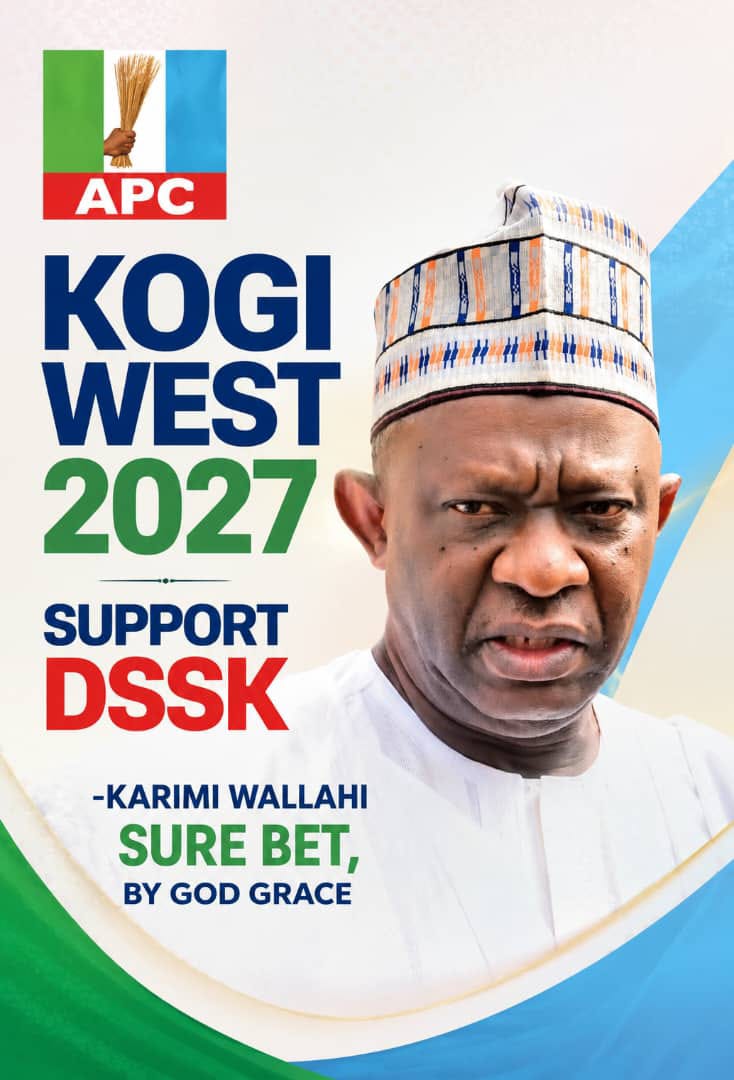
In Kogi West Senatorial District, attention is increasingly focused on what Sunday Karimi must do to secure the party’s nomination amid growing internal contestation.
Political observers note that winning an APC primary in Nigeria is less about public popularity and more about mastering internal party dynamics. For Karimi, the road to victory lies in navigating a complex web of alliances, delegate interests, and party structure.
A key priority for the incumbent senator would be rebuilding relationships within the party. Reports of discontent among ward and local government executives suggest that reconciliation efforts are necessary.
Engaging aggrieved stakeholders through dialogue and political compromise could help restore trust and reposition him within the party hierarchy.
Equally important is alignment with influential power brokers.
In many APC strongholds, state leadership and top party figures play decisive roles in determining the direction of delegate votes. Securing their backing or at least avoiding outright opposition may prove critical to Karimi’s ambition.
Control of the delegate system is another major factor. Since party primaries are decided by delegates rather than the general electorate, early engagement with both statutory and ad-hoc delegates will be essential.
Building loyalty through consistent interaction and strategic outreach could give the senator a competitive edge on the day of the primary.Beyond internal politics, Karimi is also expected to strengthen his performance narrative.
Highlighting constituency projects, empowerment programmes, and legislative contributions across Kogi West could reinforce his case for continuity. While performance alone may not guarantee victory, it remains a vital component of political negotiation within the party.
Zoning considerations may also shape the contest. Analysts point out that balancing regional interests within the senatorial district is often a decisive factor in candidate selection. Aligning with prevailing sentiments or presenting a convincing argument for continuity could influence elite consensus.
Furthermore, managing the field of aspirants will be crucial. A fragmented opposition could work in Karimi’s favour, while a united front against him may significantly weaken his chances. Strategic alliances and quiet negotiations with other contenders could therefore play a defining role.
Resource mobilization is another unavoidable element of the process. Effective campaign logistics, grassroots engagement, and sustained presence within party activities require funding, though observers caution that strategy, rather than sheer spending, often determines success.
Ultimately, controlling the narrative within the party remains essential. By presenting himself as a loyal party man committed to the ideals of the APC, Karimi can counter criticisms and strengthen his standing among delegates.
As the political landscape continues to evolve, the fate of Sunday Karimi in the All Progressives Congress primary will depend on his ability to reconcile differences, build alliances, and secure delegate support.
In a contest where structure often outweighs sentiment, his strategy in the coming months may ultimately determine whether he retains the party’s ticket or cedes ground to emerging challengers.