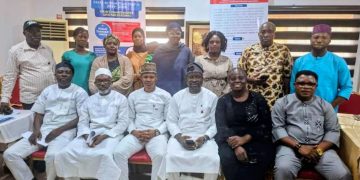

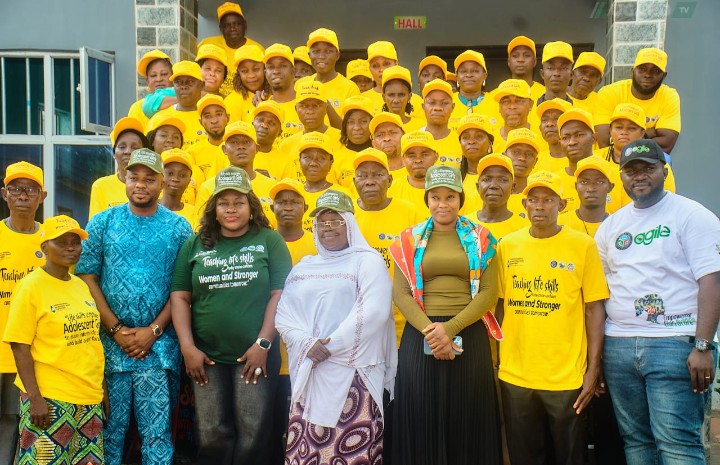

The Kogi State Adolescent Girls Initiative for Learning and Empowerment (AGILE) Project has strengthened its Alternative Education Programme by training facilitators from 65 Mass Literacy Education Centres to deliver life skills education aimed at empowering out-of-school adolescent girls across the state.
The three-day capacity-building programme, organised in partnership with the Participation Initiative for Behavioural Change in Development (PIBCID), was held in Okene and Anyigba, bringing together facilitators from centres spread across the 21 local government areas of Kogi State.
The initiative is part of AGILE’s efforts to expand access to quality education while equipping vulnerable girls with practical skills that promote confidence, resilience, informed decision-making and economic self-reliance.
The programme targets adolescent girls aged 13 to 24, including those out of school, girls living with disabilities and others facing social and economic challenges in both rural and urban communities.
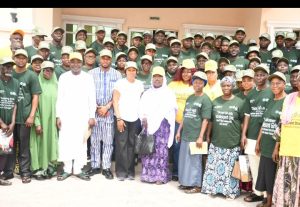
Speaking at the opening ceremony, the State Project Coordinator of Kogi AGILE, Alhaji Ahmed Tijani Oricha, FCNA, described the training as a strategic investment in human capital development.
He noted that education should go beyond literacy and numeracy to include life skills that prepare young people to make sound decisions and become productive members of society.
Oricha explained that while the project continues to improve school infrastructure and formal education opportunities, the Alternative Education component is designed to reach girls who are unable to participate in conventional schooling.
He said the establishment of 65 Mass Literacy Education Centres reflects the commitment of the Kogi State Government, with support from the World Bank, to ensuring that no girl is denied educational opportunities because of her background or location.
According to him, facilitators play a critical role in mentoring and guiding learners beyond classroom instruction.
“The success of this intervention depends largely on the quality of our facilitators. They are mentors, role models and agents of transformation who will help these girls rebuild their confidence, acquire practical life skills and make positive life choices,” he said.
Oricha urged participants to apply the knowledge gained during the training to positively impact the lives of thousands of adolescent girls across the state.
He also commended the Alternative Education team and PIBCID for developing a practical, learner-centred curriculum tailored to the needs of vulnerable girls.
Providing an overview of the programme, the Alternative Education Sub-component Lead, Hajia Mariam Bello, said the training was designed to strengthen facilitators’ capacity to deliver structured life skills education alongside literacy lessons.
She observed that many out-of-school girls face challenges such as poverty, early marriage, gender-based violence, poor health awareness and limited economic opportunities, making life skills education essential for their personal development.
The training covered areas including self-confidence, communication, decision-making, financial literacy, personal hygiene, nutrition, reproductive health, menstrual hygiene management, gender-based violence prevention, counselling, psychosocial support, conflict resolution and emotional well-being.
Bello said the programme would enable facilitators to create safe, inclusive and supportive learning environments where girls can develop confidence and prepare for further education or vocational opportunities.
Executive Director of PIBCID and lead facilitator, Mrs. Racheal Akande, described life skills education as a powerful tool for breaking the cycle of poverty, exclusion and vulnerability among adolescent girls.
She encouraged facilitators to adopt participatory teaching methods and provide emotional support to learners who may have experienced difficult life circumstances.
Akande also stressed the importance of confidentiality and safeguarding when addressing sensitive issues such as reproductive health and gender-based violence.
Participants commended the Kogi AGILE Project for the opportunity to enhance their skills, describing the training as practical, interactive and relevant to the realities confronting girls in their communities.
They particularly praised the sessions on counselling, emotional support, menstrual hygiene management and reproductive health, noting that these issues significantly affect girls’ participation and retention in education.
The facilitators pledged to replicate the knowledge gained in their various centres and ensure that every learner receives not only literacy instruction but also the life skills needed to become confident, healthy and productive members of society.
The training ended with participants reaffirming their commitment to promoting safe and inclusive learning environments and advancing the AGILE Project’s goal of expanding educational opportunities for every adolescent girl in Kogi State.